
Oil Prices, Iran, and What It Means for Canadian Investors
If March 2026 felt a little “rocky” in the markets—you’re not imagining it.
Over the past few weeks, global markets have been reacting to escalating conflict involving Iran, and one key driver has been oil prices. As a Canadian investor, this matters more than you might think.
Let’s break it down in plain English 👇
Why Oil Prices Are Driving the Conversation
The conflict in the Middle East—particularly around Iran—has created uncertainty around global oil supply.
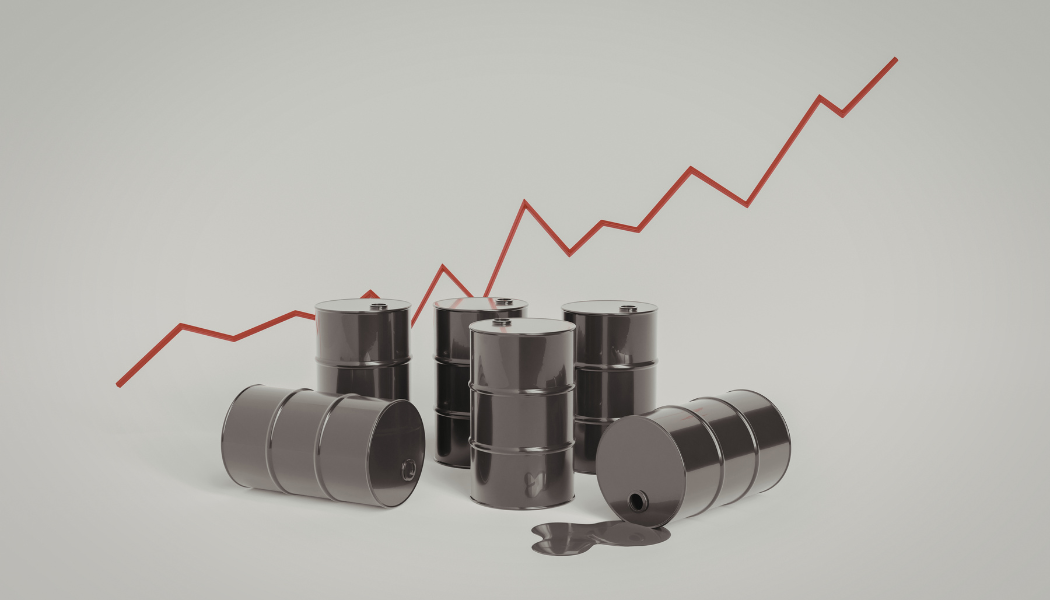
- Oil prices surged above $110 per barrel in late March
- The Strait of Hormuz, which handles roughly 20% of global oil shipments, has been at risk of disruption
- Prices have been extremely volatile, swinging dramatically based on headlines and geopolitical developments
When oil moves like this, it doesn’t just affect gas prices—it impacts inflation, interest rates, and stock markets globally.
Why Stock Markets Have Been Volatile
Markets don’t like uncertainty—and March delivered plenty of it.
- Major indexes like the S&P 500 and Nasdaq declined, with the Nasdaq entering correction territory (down ~10%+)
- Investors moved toward “safer” assets like gold, while equities became more volatile
- Trading volumes surged as investors reacted quickly to new developments
At the core, markets are trying to price in:
- Potential supply shocks
- Higher inflation
- Possible interest rate changes
Why Canada Feels This Differently
Here’s where it gets interesting: Canada is not just a bystander.
We’re a major oil-producing nation, so rising oil prices create a mixed impact:
The positives:
- Canadian energy companies tend to benefit
- The TSX (which is heavy in energy stocks) can be supported or even boosted
- Oil-producing provinces like Alberta may see stronger economic activity
The challenges:
- Higher fuel and transportation costs increase everyday expenses
- Inflation pressures can rise across the country
- Non-energy sectors (like tech, real estate, and financials) may struggle
In fact, recent data shows:
- The TSX has experienced losses alongside volatility, especially outside the energy sector
The Inflation Connection (And Why It Matters)
Higher oil prices don’t stay in the energy sector—they ripple through the entire economy.
- Rising oil can increase global inflation by ~0.6–0.7% in some scenarios
- Canadians are already seeing higher gas prices at the pump
- Higher inflation may delay or reverse interest rate cuts
That means:
👉 Borrowing costs may stay higher for longer
👉 Mortgages, loans, and business financing could remain expensive
👉 Consumer spending may slow
What Should Canadian Investors Do Right Now?
This is where perspective matters most.
History shows that geopolitical shocks often feel worse in the moment than they look over time.
Here are a few grounded takeaways:
1. Don’t react emotionally to headlines
Markets are reacting in real-time—but long-term outcomes are driven by fundamentals.
2. Stay diversified
Canada’s mix of energy + financials + global exposure can actually help smooth volatility.
3. Expect short-term noise
Periods where both stocks and bonds struggle (like now) are uncomfortable—but typically temporary
4. Look for opportunity (carefully)
Volatility can create buying opportunities—but timing matters.
The Bottom Line
March 2026 has been a reminder of how quickly global events can impact your portfolio.
- Oil prices are driving inflation and uncertainty
- Markets are adjusting to new risks
- Canada is uniquely positioned—with both benefits and challenges
But here’s the key message I want investors to remember:
👉 Volatility is normal. Discipline is what builds wealth.



0 Comments